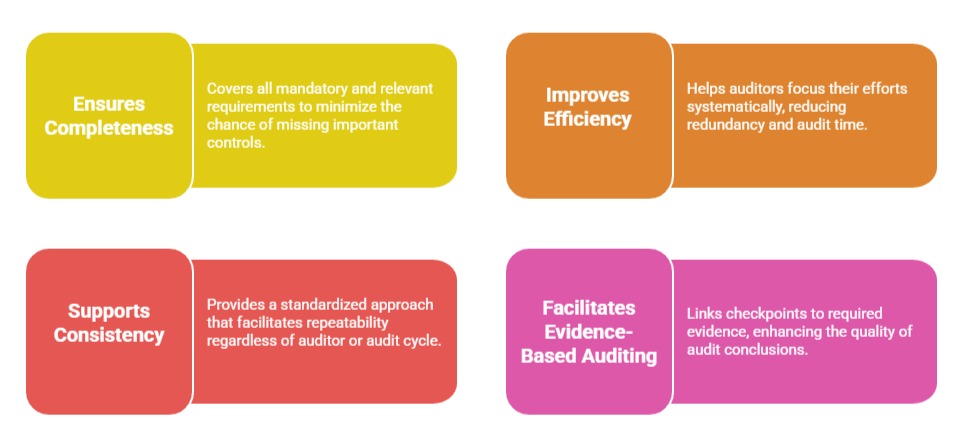
An audit checklist serves as a structured guide that helps auditors systematically verify compliance with the ISO/IEC 27001:2022 standard.
Preparing an effective checklist based on the standard’s clauses and Annex A controls ensures a thorough and focused audit by covering all relevant information security requirements.
Understanding the Checklist Basis
ISO/IEC 27001 sets out requirements in its main clauses (4 through 10) covering context, leadership, planning, support, operation, performance evaluation, and improvement.
Annex A complements these with a catalog of 93 security controls organized into themes like organizational, people, physical, and technological controls.
An audit checklist references both the clauses and Annex A controls to validate that the organization’s ISMS aligns with the standard’s expectations.
Steps to Prepare the Audit Checklist
Below are the key steps involved in preparing an effective audit checklist that ensures thorough coverage of ISO/IEC 27001 requirements.
1. Review ISO/IEC 27001 Clauses: Begin by outlining key requirements from the core clauses. For each clause, extract critical points such as risk assessment procedures, leadership responsibilities, documented information, and internal audit requirements.
2. Include Annex A Controls: Identify the applicable Annex A controls based on the organization’s risk assessment and Statement of Applicability (SoA). The checklist should contain questions or verification steps for each selected control to confirm implementation and effectiveness.
3. Structure the Checklist Logically: Organize the checklist in a way that mirrors the structure of ISO 27001—grouping items by clauses and corresponding Annex A domains. This helps auditors navigate easily and ensures no aspect is overlooked.
4. Use Clear and Specific Questions: Draft concise, objective questions or checkpoints for each requirement or control. For example, “Is there a documented information security policy approved by top management?” or “Are cryptographic controls applied where required by risk treatment?”
5. Allow for Evidence Collection: Leave space or prompts for auditors to record evidence, observations, and notes related to each checkpoint. This supports evidence-based conclusions.
6. Customize Based on Context: Tailor the checklist to the organization’s unique scope, size, and complexity. Remove irrelevant items and emphasize critical risk areas.
7. Review and Update Regularly: An audit checklist is a living document. Regularly revise it to incorporate updates from ISO standards revisions, organizational changes, or findings from past audits.
Importance of the Audit Checklist